Tucked between Aveiro and the Atlantic Ocean, the Ria de Aveiro is one of the most important wetland ecosystems in Portugal — and one of the most overlooked birdwatching destinations in southern Europe. With over 200 recorded bird species, it’s a place that rewards those who venture beyond the city centre.
Why the Ria de Aveiro Is a Birdwatcher’s Dream
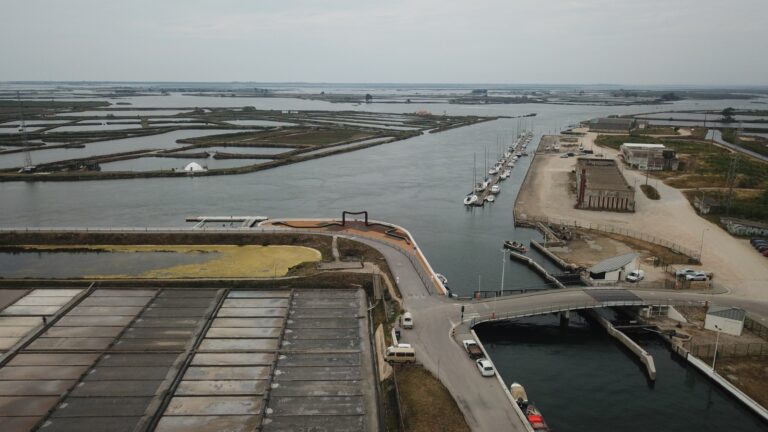
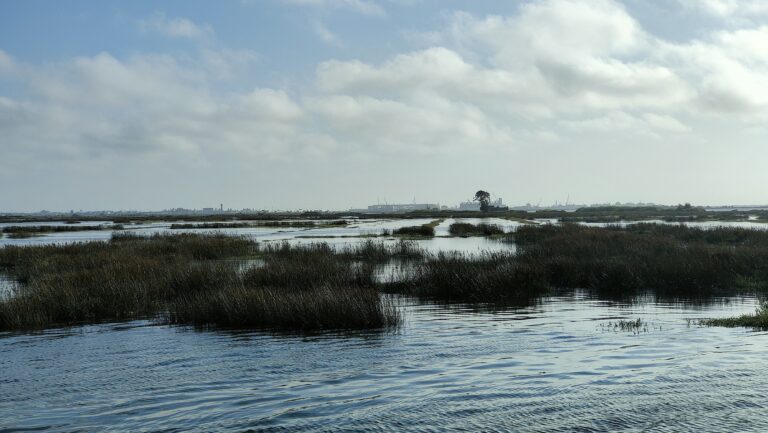
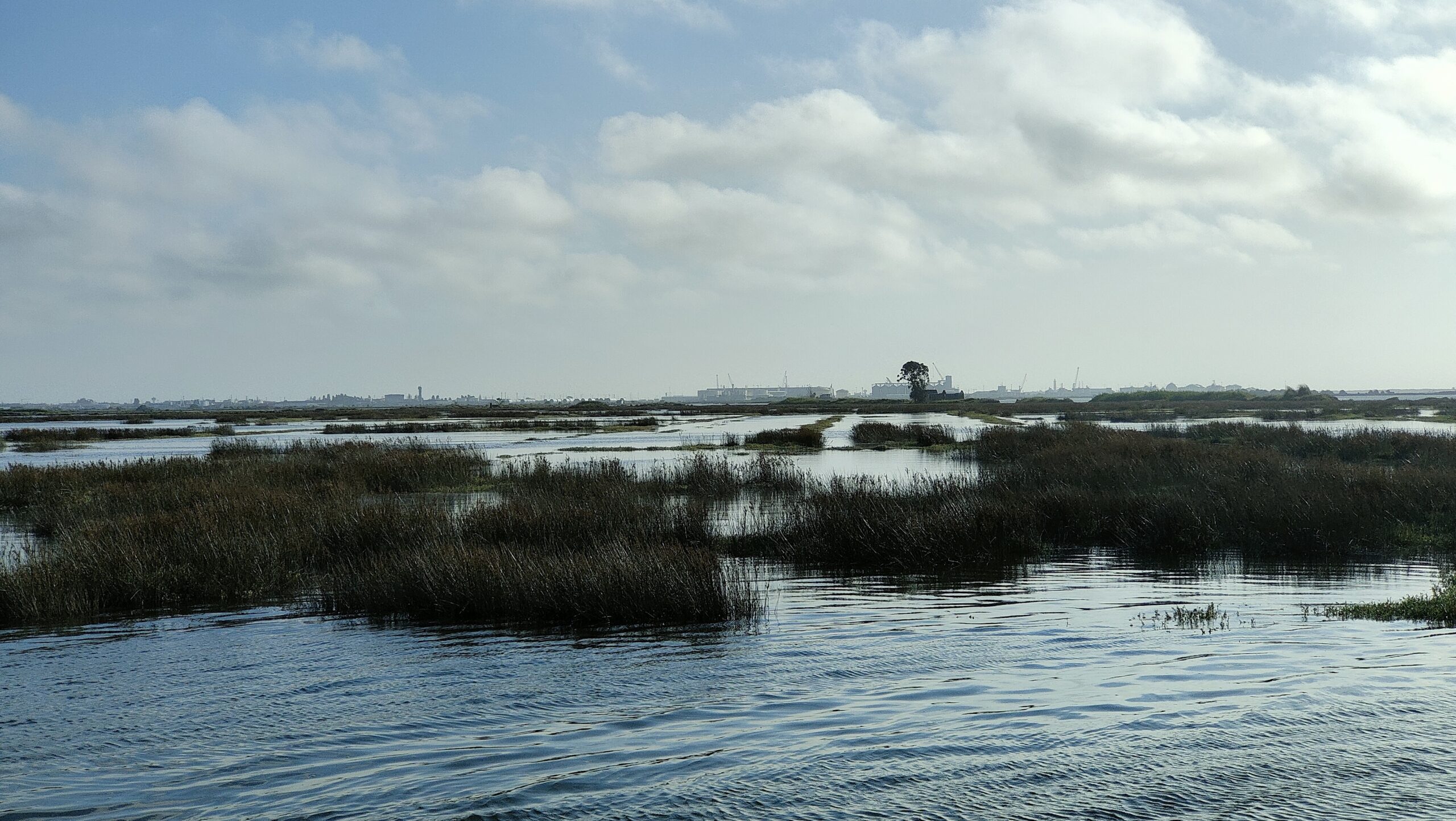
The ria is a complex lagoon system of tidal channels, salt marshes, mud flats, and salt pans stretching over 45 kilometres. This variety of habitats supports an extraordinary diversity of bird life — from resident species that nest here year-round to vast numbers of migratory birds that stop over on the East Atlantic Flyway between Africa and northern Europe.
What makes it special for birdwatchers is the sheer accessibility of the wildlife. From a low, quiet boat, you can approach birds at distances impossible on foot, without disturbing them.
Species You Can Expect to See
The ria’s bird life changes through the seasons, but there is rarely a time when the lagoon feels empty. Here are some of the highlights:
Greater Flamingo
The ria’s most iconic resident. Flocks of flamingos feed in the shallow salt pans year-round, with numbers peaking in autumn and winter.
Grey Heron
A constant presence along the channels and mud flats, standing motionless in the shallows waiting to strike.
Little Egret
Elegant white egrets are abundant throughout the ria, often seen in large mixed flocks with herons and spoonbills.
Eurasian Spoonbill
Striking birds that sweep their distinctive bills through the water. Present mainly in autumn and winter.
Black-winged Stilt
Vivid pink legs make this slender wader unmistakeable. Breeds in the ria and present throughout the warmer months.
Marsh Harrier
Portugal’s most common harrier, quartering low over the reedbeds and salt marsh throughout the year.
Kingfishers, sandpipers, dunlin, avocets, osprey, and several species of tern are also regularly recorded. During autumn migration, the mudflats can hold impressive numbers of waders.
The Best Time to Go Birdwatching in Aveiro
The ria offers good birdwatching at any time of year, but each season has its own highlights:
| Season | Highlights | Notes |
|---|---|---|
| Autumn (Sep–Nov) | Peak flamingo numbers, migrating waders, spoonbills | Best overall |
| Winter (Dec–Feb) | Large mixed flocks, wildfowl, raptors | Quietest season for tourism |
| Spring (Mar–May) | Breeding activity, returning migrants, storks | Very active and vocal |
| Summer (Jun–Aug) | Nesting terns, stilts, resident species | Warm, early starts recommended |
Birdwatching is best in the two hours either side of low tide, when mud flats are exposed and feeding birds are concentrated. Our guide plans tours around tidal conditions to give you the best possible sightings.
Why a Boat Tour Is the Best Way to Birdwatch Here
Much of the ria’s best bird habitat is simply unreachable on foot. The salt pans, remote channels, and tidal flats that hold the largest concentrations of birds are accessible only by water. A boat also offers a much lower, quieter approach than walking along a path — birds are far less disturbed, and you can get genuinely close.
Our guide Gustavo has spent years learning where the birds are at every season and every state of the tide. He knows which channels open up at high tide to reveal hidden corners of the lagoon, and where the flamingo flocks are roosting this week. That knowledge is the difference between a nice trip and an extraordinary one.
Binoculars are essential — 8×42 is the ideal magnification for this kind of open wetland birding. A camera with a zoom lens of at least 200mm will let you capture the flamingos and herons in detail. Sun protection is important on the open water even in cooler months.
Book a Birdwatching Tour
Small groups, expert local guidance, and access to the heart of the ria. All year round.